Vill du veta när vi publicerar nya filmer?
Anmäl dig för att få utvalda filmer till din inkorg via mail eller sms.
Anmäl dig här
45:42
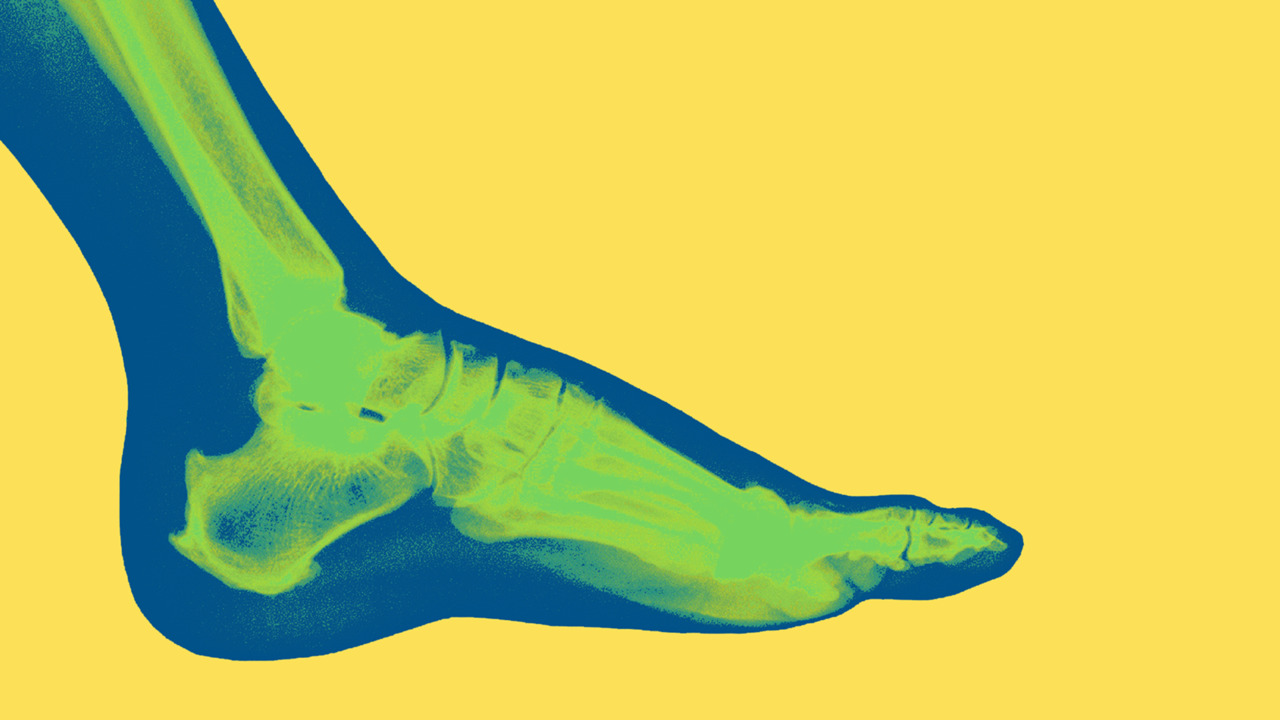
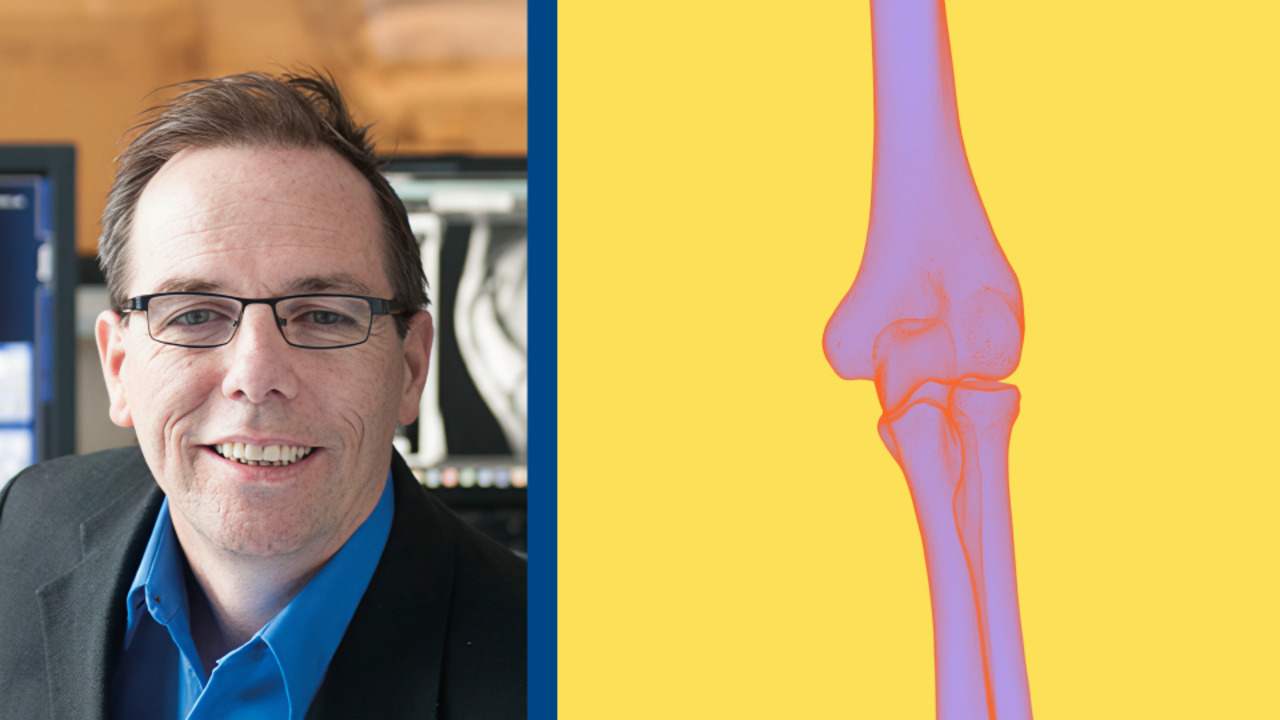
The session begins with introductions, welcoming Professor William Tillett from the University of Bath, UK, as the keynote speaker. Professor William Tillett’s expertise in psoriatic arthritis and his leadership in national research collaborations is highlighted. He provides a detailed history of plain radiography, describing its accidental discovery and its pivotal role in medical diagnostics. He references early medical uses and the identification of rheumatic diseases in ancient populations, emphasizing that structural damage has been a longstanding issue. He explains that plain radiographs were essential in distinguishing psoriatic arthritis as a unique disease entity, citing foundational studies that challenged the misconception of it being a mild condition. He discusses how structural damage, particularly juxta-articular new bone formation, is used in diagnostic criteria for psoriatic arthritis, even in patients without visible psoriasis. He shares examples from his clinical cohort where imaging findings were critical for diagnosis. Structural damage prevention is identified as a major patient priority, ranking just behind pain and fatigue. Patients want feedback on their individual disease progression and treatment effectiveness, not just general improvements in broader patient groups. Professor William Tillett emphasizes that structural damage at diagnosis is a strong prognostic marker for worse physical function over time, influencing treatment decisions. Data from multiple cohorts showed that diagnostic delays and lack of early aggressive treatment led to more structural damage and poorer outcomes. Males and those with axial involvement are at higher risk for damage progression. Even with modern therapies, structural damage can progress, though at a slower rate than in rheumatoid arthritis. Some patients never develop erosive diseases, but most do if they have baseline erosions. Achieving minimal disease activity (MDA) is associated with less structural damage progression, but tight control strategies have not yet proven superiority in prospective studies. Evidence from clinical trials is presented showing that biologic DMARDs are effective in preventing structural damage progression compared to placebo. Advances in artificial intelligence and computer vision are being explored to automate and improve the assessment of structural damage from imaging, potentially unlocking new insights from large radiography libraries. He answers questions about defining subclinical arthritis, emphasizing the need for both symptoms and objective inflammation. He describes his centre's approach to dose reduction in biologics for patients in sustained remission, cautioning against complete cessation due to risk of flare. There is also a discussion on the use of ultrasound instead of X-ray for bone structural damage. While X-rays are quick and effective for surveying many bones, ultrasound is more precise for certain areas although operator dependent. It is concluded that ultrasound and X-rays are complementary tools for assessing bone damage. The importance of early detection and treatment is discussed, with delays in diagnosis and treatment initiation identified as major gaps in care.
Anmäl dig för att få SMS-notiser när nya filmer blir tillgängliga på Immunologi+.
Anmäl dig här
Välkommen att kontakta oss om du har frågor, eller ge oss förslag på nya samtalsämnen inom immunologi.
Kontakta oss
Välkommen att kontakta oss om du har frågor, eller ge oss förslag på nya samtalsämnen inom immunologi.
Kontakta ossKontakta Mikael Själin om du har frågor, eller ge oss förslag på nya samtalsämnen inom reumatologi.
Välkommen att kontakta MikaelKontakta Sofia Helmersson, om du har frågor, eller ge oss förslag på nya samtalsämnen inom gastroenterologi.
Välkommen att kontakta Sofia